

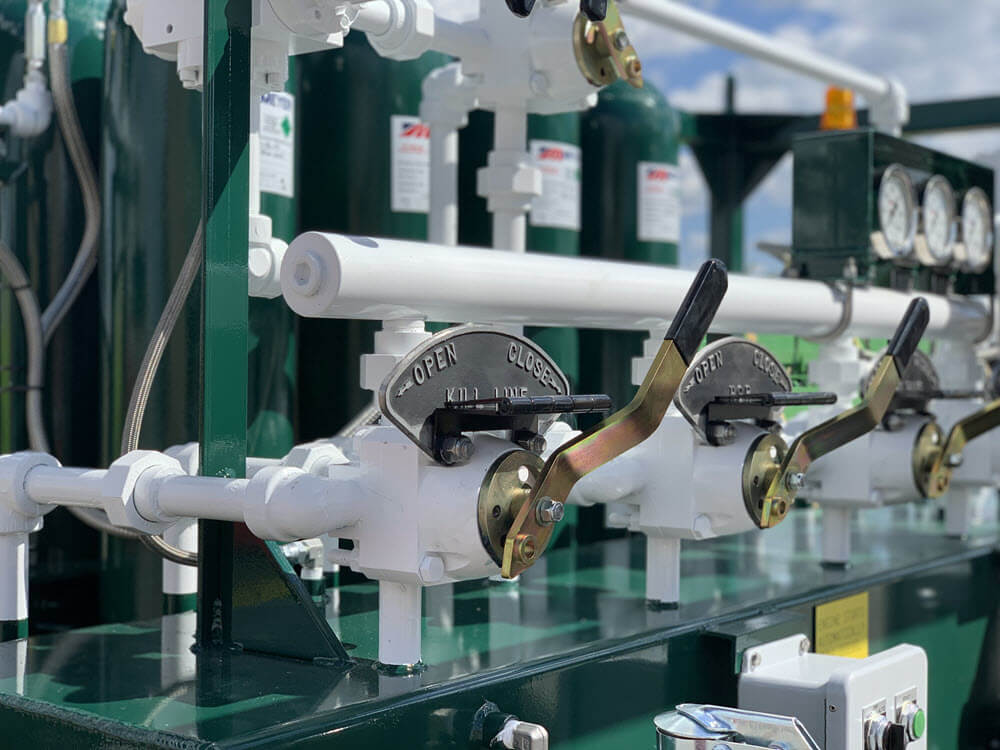
ASME Coded Accumulator Bottles for BOP Systems
ASME Coded Accumulator Bottles for BOP Systems
See why ASME coded accumulator bottles matter for BOP systems and request well control equipment guidance from MEYER.
ASME coded accumulator bottles are pressure vessels constructed and certified under the applicable ASME Boiler and Pressure Vessel Code requirements. In a BOP closing unit, the bottles form part of the hydraulic energy-storage system. Their construction records, pressure and temperature limits, condition, and compatibility with the accumulator design all matter when selecting equipment or planning replacement.
At MEYER, we recommend reviewing bottle documentation alongside the complete closing-unit requirements. A vessel's certification establishes a construction basis, while its suitability for the next assignment also depends on current condition, usable hydraulic capacity, and the system in which it is installed.
Definition: An ASME coded accumulator bottle is an accumulator pressure vessel manufactured and certified to an applicable section of the ASME Boiler and Pressure Vessel Code. The term describes the vessel's construction and certification basis; it does not independently certify the complete BOP control system or establish its present operating readiness.
Discuss Accumulator Bottle Requirements
ASME Accumulator Bottles: Certification, Inspection, and Selection
Accumulator Bottle Fundamentals for BOP Systems
Forgotten Specs: Bottle Records to Verify Before Mobilization
Inspection Findings and Replacement Planning
Safety Engineering Analysis: Bottle Condition and Closing Capacity
Coordinate Bottle Support Before the Next Assignment
Frequently Asked Questions About ASME Coded Accumulator Bottles
Accumulator Bottle Fundamentals for BOP Systems
Key Takeaway: Separate the vessel's construction rating from the hydraulic capacity and readiness of the complete accumulator system.
How a Bottle Stores Hydraulic Energy
In a bladder-type hydropneumatic accumulator, a flexible bladder separates the nitrogen charge from hydraulic fluid. As fluid enters under pressure, the gas compresses. When the hydraulic circuit calls for stored fluid, the gas expands and drives fluid back into the system.
The bottle's nominal volume is not the same as the usable hydraulic volume available over the required pressure range. Pre-charge, operating pressures, temperature, and the accumulator design affect the available delivery. Capacity selection therefore needs an application-specific engineering review.
Our BOP accumulator units provide the starting point for reviewing bottle capacity together with pumps, controls, and the required well-control functions. Confirm the actual bottle configuration on the proposed or installed unit.
What ASME Construction and Certification Cover
ASME BPVC Section VIII, Division 1 addresses pressure-vessel design, fabrication, inspection, testing, and certification within its scope. The applicable certification mark and vessel records identify the construction basis for an individual vessel. They do not verify that an assembled BOP control system has the required hydraulic capacity, response, or current maintenance status.
Keep those responsibilities separate during procurement. Review the vessel manufacturer's identification and certification documents, then review the closing-unit manufacturer's system documentation. Do not assume that the company assembling an accumulator package also manufactured each pressure vessel or holds the vessel manufacturer's ASME authorization.
Pressure and Temperature Limits Are Linked
Read the vessel's pressure and temperature information together. Maximum allowable working pressure is a vessel rating associated with specified conditions, not a recommended operating setting or a field test instruction.
For equipment intended for cold environments, confirm the documented temperature limits and material suitability for the actual assignment. A high pressure rating alone does not establish that a bottle is suitable for a lower-temperature application. Include connections, seals, and the complete unit in that review.
Forgotten Specs: Bottle Records to Verify Before Mobilization
Key Takeaway: The records should identify the actual vessels installed on the unit, including any replacements.
Match Identification to Construction Documents
Record the vessel manufacturer, serial number, model or other identification, and the information on the nameplate or required marking. Match the physical vessel to the supplied construction documentation rather than relying on a general statement that the unit has ASME bottles.
Where applicable, review the Manufacturer's Data Report associated with the vessel. ASME publishes forms such as U-1 and U-1A for Section VIII, Division 1 vessels within their stated scopes. Confirm the documentation appropriate to the actual vessel and certification route instead of requiring one form indiscriminately.
For the equipment file, gather:
- Vessel identification and legible nameplate or marking information.
- Applicable code designation, construction edition, and certification records.
- Documented pressure and temperature limits.
- The installed accumulator configuration and approved component references.
- Inspection, maintenance, and any repair or replacement history.
- Current restrictions, unresolved findings, and required follow-up.
The code edition used for construction belongs in the vessel record. It should not be replaced with the newest edition simply because the equipment is being reassigned or its documentation is being updated.
Keep Vessel Records Connected to the Unit
A replacement can leave the equipment file out of step with the installed hardware. Update the asset record when a bottle, bladder, valve, or other identified component changes, using the level of detail appropriate to that work.
Missing records deserve technical review before mobilization. A readable serial number helps establish identity, but it does not fill gaps in condition history or prove that an undocumented modification is acceptable.
Inspection Findings and Replacement Planning
Key Takeaway: Inspection scope and timing depend on the vessel, its service, and the requirements governing the equipment.
Condition Findings That Need Qualified Assessment
Use the applicable inspection program to assess vessel condition and associated components. External corrosion, mechanical damage, leakage, damaged mounting, illegible identification, or an uncertain service history are reasons to seek qualified assessment. A visual walkaround alone does not establish internal condition or fitness for continued service.
Do not make a repair decision from appearance alone. Work affecting a pressure-retaining item may require a defined repair or alteration process, inspection involvement, and jurisdictional acceptance. Establish the applicable requirements before authorizing work on the vessel.
Avoid a Universal Inspection Interval
ASME construction certification does not create one inspection interval for every accumulator bottle in service. The applicable program can depend on manufacturer instructions, operating conditions, operator requirements, and jurisdictional rules.
Our equipment inspection and certification support provides a route for discussing the unit's needs. Confirm whether the proposed scope addresses the closing unit, individual pressure vessels, or both. A general accumulator service visit should not be assumed to satisfy every vessel-specific requirement.
Compare Service, Replacement, and Temporary Equipment
We recommend deciding between service and replacement only after the condition assessment and compatibility review are complete. Additional capacity is a separate engineering decision, while temporary equipment can address a deployment need during service. None of these paths should bypass confirmation that the resulting system meets the assignment's requirements.
| Planning Factor | Service Existing Bottle Assembly | Replace Bottle or Review Additional Capacity | Temporary Accumulator Unit |
|---|---|---|---|
| Main objective | Address an assessed maintenance need | Restore an approved configuration or evaluate changed demand | Support an assignment while the original unit is unavailable |
| Starting information | Vessel identity, condition, and service history | Existing design and documented hydraulic requirements | Required functions, site conditions, and deployment schedule |
| Engineering review | Suitability for continued service | Compatibility, usable capacity, mounting, and system integration | Suitability of the complete temporary package |
| Documentation | Findings, completed work, and required checks | Updated vessel and equipment records | Configuration, condition records, and handoff requirements |
| Availability question | Confirm service scope and timing | Confirm approved parts and project lead time | Confirm suitable equipment and rental arrangements |
Our rental equipment includes accumulator units. Review a temporary package against the intended application; availability alone does not establish an acceptable substitute.
Safety Engineering Analysis: Bottle Condition and Closing Capacity
Key Takeaway: Vessel integrity and hydraulic performance are separate checks that both contribute to accumulator readiness.
Why Pre-Charge Condition Matters
Loss of the specified gas pre-charge changes accumulator behavior and can reduce effective performance. A hydraulic pressure reading alone does not establish that each bottle has the correct pre-charge or usable capacity.
Use the equipment manufacturer's specified pre-charge and verification process, performed by qualified personnel with appropriate equipment. Do not use a universal pressure value or assume that adding gas resolves every performance issue. The cause may require inspection or component service.
Bottle Capacity and Backup Systems Have Different Roles
An accumulator bottle stores hydraulic energy through its gas-and-fluid arrangement. A separate nitrogen backup system has its own configuration and operating purpose. These should not be treated as interchangeable bottles or combined into a capacity claim without reviewing the system design.
Our nitrogen backup guide addresses that separate topic. For bottle selection, keep the review focused on the installed vessels, their condition, and the required hydraulic delivery.
Service Requires Control of Stored Energy
An accumulator may retain hazardous energy after the pump stops. Inspection, gas-side work, disassembly, and component replacement require the approved equipment-specific isolation and maintenance procedures.
Only qualified, authorized personnel should perform those tasks. Do not use a bottle's certification mark as permission to charge, dismantle, modify, or test it outside its approved instructions and limits.
Coordinate Bottle Support Before the Next Assignment
Key Takeaway: Send the vessel records and complete unit requirements before requesting parts, service, or replacement equipment.
For equipment coordinated through Corpus Christi, an Odessa-area assignment, or deployment to the Bakken, share the installed configuration and expected conditions with the appropriate team. Include the unit's asset ID, bottle identification, known findings, available records, and deployment date.
Use our service locations resource to confirm the support route and scope. For cold-weather assignments, also review our BOP accumulator winterization guidance alongside the documented temperature limits.
Key Takeaways
- ASME construction certification applies to its stated vessel scope, not the complete BOP control system.
- Match vessel identification to the relevant construction and service records.
- Nominal bottle volume is different from usable hydraulic delivery.
- Review pressure limits, temperature limits, pre-charge, and system compatibility together.
- Determine inspection and repair requirements for the actual equipment and jurisdiction.
- Confirm the engineering and documentation requirements before service, replacement, capacity changes, or temporary rental.
Frequently Asked Questions About ASME Coded Accumulator Bottles
What Is an ASME Coded Accumulator Bottle?
It is an accumulator pressure vessel manufactured and certified under applicable ASME Boiler and Pressure Vessel Code requirements. Its marking and records identify the construction basis. We recommend reviewing those records together with the complete accumulator system's design and condition.
How Often Should Accumulator Bottles Be Inspected?
There is no single interval appropriate to every bottle and application. Confirm the manufacturer instructions, applicable inspection program, operator requirements, and jurisdictional rules. We can discuss the unit's service needs and help clarify the scope required for the assignment.
What Happens When a Bottle Loses Pre-Charge?
Loss of specified pre-charge changes the gas-and-fluid relationship and can impair accumulator performance. It may also contribute to internal component damage. Have qualified personnel assess the condition using the approved equipment-specific process rather than assuming that a normal hydraulic pressure reading proves readiness.
Can MEYER Replace or Service Accumulator Bottles?
We support accumulator equipment inspection, maintenance, and service planning. Send the bottle identification, unit records, and condition findings so our team can review the appropriate service or replacement path. Confirm the scope, approved components, and documentation for the specific equipment before work begins.
From our headquarters in Corpus Christi, Texas, we support BOP accumulator equipment planning and service coordination. Use our request more information form to discuss bottle records, condition assessment, replacement planning, or the requirements for a new closing unit.