

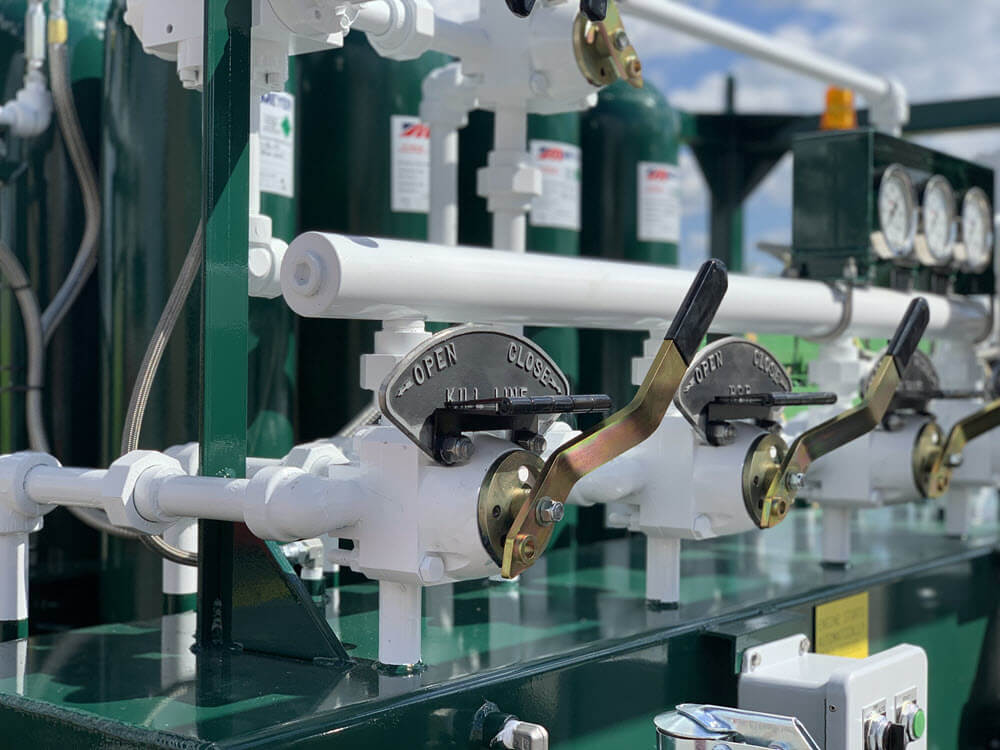
BOP Accumulator Inspection Checklist
Why BOP Accumulator Inspections Are Essential
A BOP accumulator is the primary hydraulic power source for actuating blowout preventers during well control operations. Its ability to deliver immediate and reliable pressure can determine the outcome of a critical well control event.
Routine inspections ensure that accumulators maintain required pressure, fluid volume and mechanical integrity. MEYER’s service team in Corpus Christi TX follows API 16D and OEM standards to ensure every accumulator in operation is compliant and ready for the field. Regular inspections also limit unplanned downtime, reduce safety risks and extend the equipment’s operational life. This is essential for drilling contractors focused on performance and regulatory compliance.
BOP Accumulator Inspection Checklist
The following checklist outlines the core inspection points recommended by MEYER technicians and aligned with API and OEM best practices.
1. Verify Nitrogen Pre Charge Pressure
Check each accumulator bottle’s nitrogen pre charge level using approved testing equipment. Low pre charge reduces available hydraulic output during critical BOP operations.
2. Inspect Hydraulic Fluid Levels and Quality
Confirm reservoir levels meet system specifications. Inspect fluid for contamination or discoloration and replace or filter fluid if needed.
3. Examine Hoses Fittings and Connections
Inspect for leaks, corrosion, cracked hoses or degraded O rings. Replace any compromised component to maintain hydraulic integrity.
4. Test Pump Operation and Relief Valves
Operate electric pneumatic or diesel driven pumps to ensure they maintain the required pressure range. Verify relief valves operate at the correct set points.
5. Validate Pressure Gauge Calibration
Calibration issues lead to inaccurate system readings. Confirm that all gauges meet calibration requirements and replace outdated or damaged units.
6. Inspect Manifolds and Control Valves
Make sure valves operate smoothly without sticking or pressure fluctuations. Clean or service components to maintain consistent operation.
7. Perform System Pressure Test
Conduct a controlled functional test to validate accumulator response time pressure delivery and system sealing. Document results for compliance.
8. Review Documentation and Maintenance Logs
Verify that maintenance records pressure test results and component replacements are up to date. Proper documentation supports audit readiness and regulatory compliance.
Benefits of Routine Accumulator Inspections
- Improved emergency readiness
- Extended equipment life
- API 16D compliance
- Reduced downtime
- Better cost management
Routine inspections significantly improve the reliability of well control systems in high activity drilling environments.
Schedule BOP Accumulator Service with MEYER
MEYER provides inspection rebuild calibration and pressure testing services for BOP accumulators in Corpus Christi TX. Technicians follow strict API standards and use certified testing equipment to ensure compliance and performance.
Whether you need on site inspection support shop rebuilds or scheduled maintenance programs MEYER delivers reliable documented service.
Explore preventative maintenance programs for well control systems.
Review equipment rental options for temporary hydraulic systems during service intervals.
A complete BOP accumulator inspection checklist is essential for maintaining well control performance and operational safety. Partner with MEYER in Corpus Christi TX to schedule professional inspections and keep your systems compliant and ready for any operational requirement.