
Planning BOP Recertification to Avoid Audit Delays Before Spring Operations
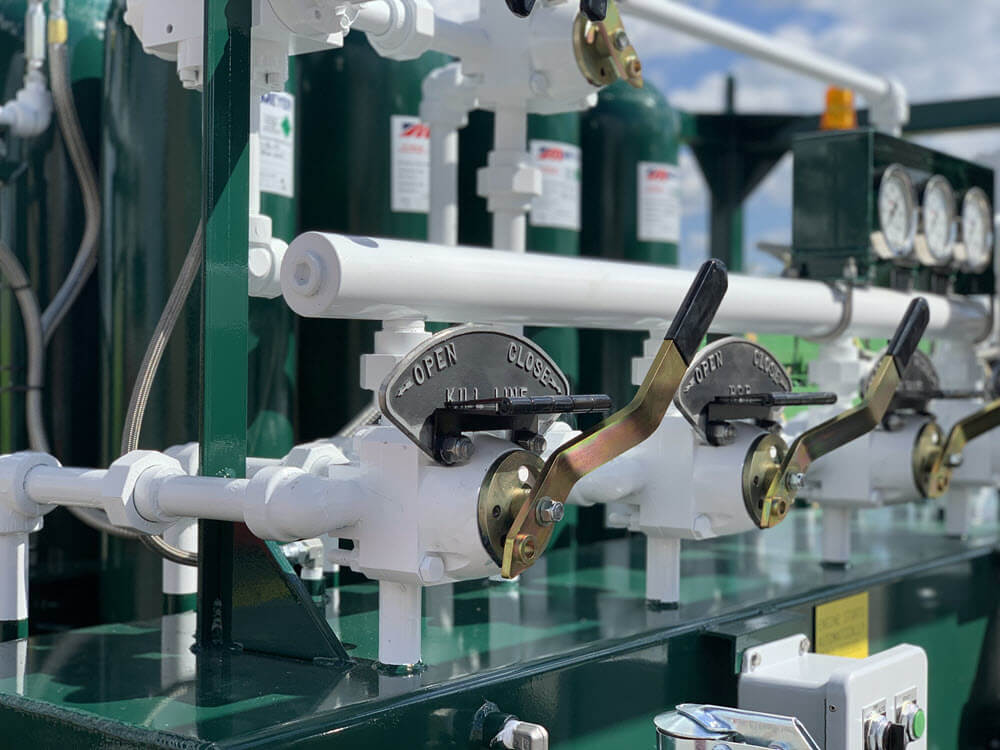
As drilling and completion activity increases across Texas and the Gulf Coast, Blowout Preventer systems must be fully compliant and ready for service. Each spring, many operators experience unexpected downtime due to delayed inspections, expired certifications, or limited service availability. Planning BOP recertification before seasonal ramp up periods helps operations teams maintain compliance, protect personnel, and avoid costly project delays.
Why BOP Recertification Timing Matters Before Spring Operations
BOP recertification planning becomes increasingly important as winter maintenance windows close and rig schedules tighten. Spring activity often brings higher demand for certified pressure control equipment and qualified inspection and service providers.
Waiting until drilling activity increases can create scheduling constraints that delay inspections and testing. These delays may prevent equipment from being deployed when needed, impacting rig startup timelines. Proactive BOP recertification planning allows operators to complete inspections during lower demand periods and enter spring operations with greater confidence.
For safety managers and operations leads, early planning supports regulatory compliance while helping maintain operational continuity.
Understanding the BOP Recertification Process and Requirements

Effective BOP recertification planning begins with a clear understanding of inspection scope and documentation requirements. Recertification typically includes pressure testing, component inspection, seal verification, and confirmation of control system performance.
Maintenance teams should review service history, operating hours, and previous inspection findings to identify components that may require additional attention. Addressing issues early reduces the risk of failed inspections or rework. Coordinating recertification with other maintenance activities also helps minimize equipment downtime.
Accurate records and organized scheduling ensure BOP systems meet internal safety standards and applicable industry requirements prior to spring deployment.
Scheduling Recertification to Reduce Downtime and Audit Risk
Strategic scheduling is one of the most effective ways to reduce downtime associated with BOP recertification. Operators should plan inspections well ahead of spring startup dates and allow sufficient time for corrective actions if deficiencies are identified.
Aligning Recertification With Maintenance and Rental Planning
Coordinating BOP recertification with maintenance schedules and rental needs improves efficiency and resource planning. If temporary equipment is required during inspections or repairs, advance planning helps ensure availability without delaying operations. Working with an experienced equipment and service provider allows teams to adjust timelines as needed while maintaining compliance.
By completing recertification before activity levels rise, operators reduce audit risk and keep equipment ready for immediate deployment.
BOP recertification planning plays a critical role in ensuring a smooth transition into spring operations. Contact MEYER to schedule service, request a quote, or secure the equipment and support your team needs to remain compliant and operationally prepared.