
Oilfield Compliance Checklist 2025
Why Oilfield Compliance Matters in 2025
Oilfield operators face increasing regulatory scrutiny evolving safety requirements and strict documentation standards across API OSHA BSEE and state regulators. Maintaining compliance is essential for safe operations audit readiness and continued production.
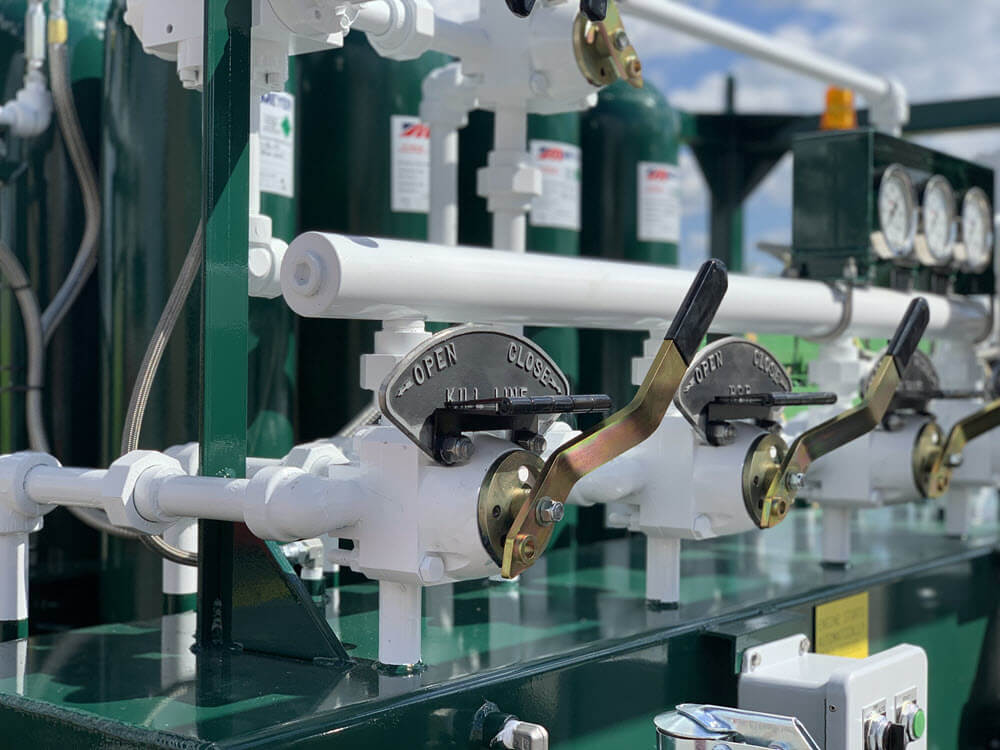
MEYER supports operators in Corpus Christi TX with inspections certification services and documentation programs that align with API 16D API 6A ASME and operator specific requirements.
This 2025 compliance checklist helps drilling completions and production teams verify the readiness of pressure control and hydraulic systems ahead of audits, inspections and annual certification cycles.
2025 Oilfield Compliance Checklist
Below are the key areas MEYER recommends reviewing and documenting for the 2025 regulatory cycle.
1. Verify Equipment Certifications
Confirm that all pressure control systems include current certifications for:
- API 16D control equipment
- API 6A wellhead components
- ASME certified pressure vessels
- OEM specifications for pumps manifolds and accumulators
Expired or incomplete documentation is one of the most common audit failure points.
2. Review Inspection and Maintenance Logs
Make sure logs accurately record:
- Pressure test dates
- Component replacements
- Calibration certificates
- Preventive maintenance intervals
All records must be completely organized and traceable.
3. Conduct Required Pressure Testing
Perform hydrostatic or functional testing for:
- BOP control systems
- Accumulators
- High pressure manifolds
- Safety critical valves
Testing must follow API and ASME guidelines and include documented results.
4. Validate Calibration of Gauges and Sensors
Instrumentation including pressure gauges and transducers must be calibrated to certified standards. Replace devices that are damaged, outdated or out of tolerance.
5. Assess Hydraulic Hose Condition
Inspect hoses for:
- Abrasions or cracking
- Fitting corrosion
- Correct pressure rating
- Heat or chemical exposure
Replace any component showing early failure indicators.
6. Confirm Emergency Response Readiness
Ensure BOP systems accumulators and control units respond within required time frames. Document functional tests and verify redundancy within the system.
7. Update Safety Procedures and Training
Review and refresh:
- Job hazard analysis
- Pressure testing procedures
- Lockout tagout steps
- Emergency response drills
Updated training is mandatory for compliance and operational safety.
8. Organize Documentation for Audits
Prepare all compliance materials including:
- API certificates
- Pressure test reports
- Calibration sheets
- Material traceability records
- Inspection checklists
Thorough documentation speeds up audits and reduces downtime.
MEYER’s Role in Oilfield Compliance Support
MEYER supports operators in Corpus Christi TX with:
- API 16D inspections and recertifications
- Hydrostatic testing and system validation
- Accumulator rebuilds and documentation packages
- Calibration services for gauges and pressure instrumentation
Explore preventative maintenance programs for compliance focused lifecycle support.
Review rental options for certified backup systems during audits or testing periods.
MEYER ensures your equipment remains compliant, traceable and ready for inspection or field deployment.
Maintaining oilfield compliance in 2025 requires proactive inspections current documentation and certified equipment. MEYER’s team in Corpus Christi TX delivers the expertise testing and support operators need to remain aligned with industry standards.
For compliance assistance or certification scheduling contact MEYER today.