
Oilfield Equipment Reconditioning for Longer Service Life
Oilfield Equipment Reconditioning
Plan oilfield equipment reconditioning with MEYER for accumulators, grease units, test units, and rental fleets.
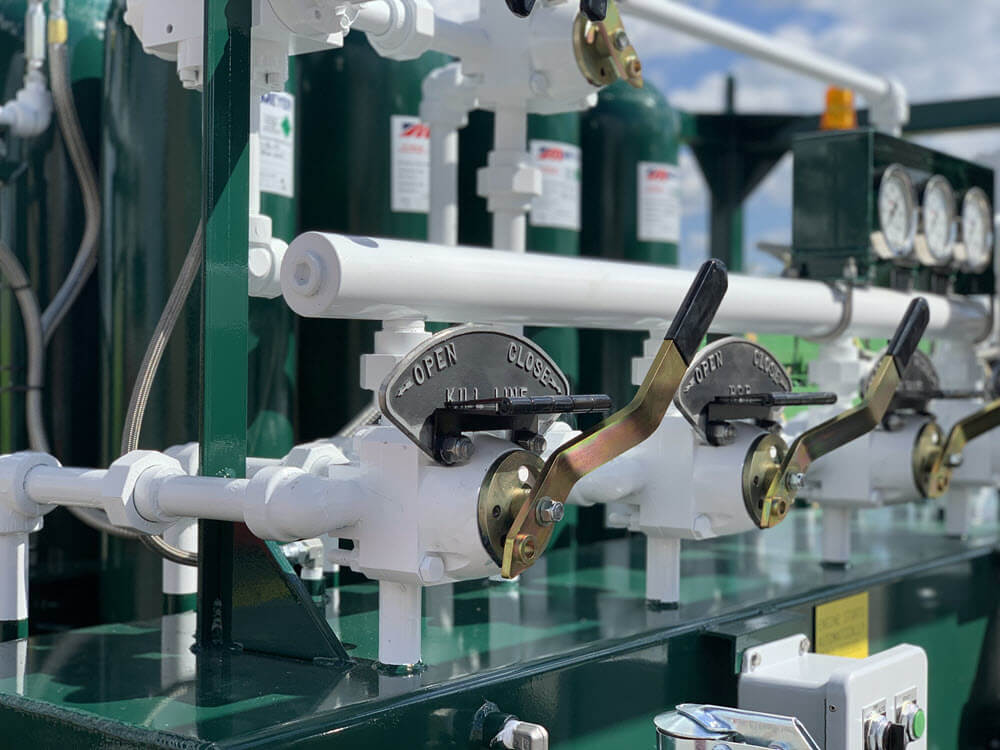
Oilfield equipment reconditioning helps operators, rental companies, maintenance managers, and procurement teams extend usable fleet life when equipment is too valuable to discard but too worn to keep running without deeper service. For BOP accumulators, grease units, hydrostatic test units, flushing units, manifolds, skids, and control systems, reconditioning can include teardown, inspection, component replacement, hydraulic restoration, structural work, repainting, testing, and documentation before the unit returns to service.
The reconditioning decision is different from a quick repair. A repair may fix one known issue. Reconditioning reviews the whole equipment package and asks whether the unit can be restored to a dependable operating condition. That review may include hydraulic components, valves, hoses, gauges, panels, structural steel, controls, paint, labels, documentation, and final testing. The goal is to make a clear decision: repair it, recondition it, replace it, or use rental backup while owned equipment is being rebuilt.
MEYER supports oilfield equipment through manufacturing, rentals, service, repair, inspection, and aftermarket work, which gives our team a practical view of what reconditioning should include. This guide explains teardown and replacement planning, hydraulic and structural restoration, testing after rebuild, repair vs reconditioning vs replacement decisions, regional service paths through Odessa, Houston, Corpus Christi, and Hytec support, and how rental equipment can help crews stay active while owned assets are being reconditioned.
Definition: Oilfield equipment reconditioning is a deeper service process used to restore aging or worn oilfield equipment to a more dependable operating condition. It is commonly used for accumulators, grease units, hydrostatic test units, flushing units, manifolds, and rental fleet assets. For operators working across US shale basins and international markets, it helps by extending usable fleet life, improving documentation, and reducing avoidable replacement decisions.
Request Reconditioning Support
Table of Contents
Teardown, Inspection, and Replacement Planning
Hydraulic, Structural, and Control-System Restoration
Testing and Documentation After Reconditioning
Configuration Comparison and Operational Value
Repair vs Reconditioning vs Replacement Table
Accumulators, Grease Units, and Hydrostatic Test Unit Examples
Regional Field Authority for Reconditioning Service Paths
Contrarian Insight: When Reconditioning Costs More Than Replacement
Field Operations Insight: Staging Rentals While Owned Equipment Is Reconditioned
Frequently Asked Questions About Oilfield Equipment Reconditioning
Reconditioning Fundamentals
Key Takeaway: Reconditioning should evaluate the full equipment package, including teardown findings, replacement needs, hydraulic function, structural condition, controls, testing, and documentation.
Teardown, Inspection, and Replacement Planning
Reconditioning begins with teardown and inspection because the true condition of oilfield equipment is not always visible from the outside. A unit may look serviceable but have worn valves, damaged seals, tired hoses, corroded fittings, faded labels, inaccurate gauges, cracked structural members, or controls that no longer match the way the equipment is used. Teardown helps separate cosmetic wear from functional risk.
Replacement planning is where the reconditioning decision becomes clearer. Some components should be replaced because they are worn, outdated, unsafe, hard to verify, or no longer practical to support. Other components may be cleaned, tested, repaired, or reused. We recommend documenting those decisions because a reconditioned unit should have a clear service story, not a collection of assumptions.
When we review a reconditioning project, our team looks at practical questions:
- What equipment is being reconditioned and what work has it performed?
- Are the hydraulic components, valves, hoses, and gauges still serviceable?
- Does the skid, frame, enclosure, or panel need structural work?
- Are controls, labels, switches, panels, and documentation still accurate?
- Can the unit be tested after reconditioning to support return-to-service decisions?
- Would rental backup reduce downtime while owned equipment is in the shop?
The specification cluster is straightforward: reconditioning should connect teardown, inspection, replacement planning, restoration scope, testing, documentation, and operational need. We recommend making those decisions before the unit is stripped too far or patched too lightly, because both extremes can create unnecessary cost.
| Reconditioning Area | What We Review | Why It Matters |
|---|---|---|
| Teardown findings | Wear, contamination, damage, corrosion, and service history | Shows the real condition before decisions are made |
| Replacement planning | Components that should be replaced, repaired, or reused | Controls cost and avoids weak rebuild decisions |
| Hydraulic system | Valves, hoses, fittings, pumps, manifolds, gauges, and leaks | Supports pressure control and operating reliability |
| Structural condition | Skid, frame, lifting areas, enclosure, panels, and paint | Improves durability, safety, and fleet presentation |
| Final testing | Functional checks, pressure testing, and documentation | Supports return-to-service decisions |
Hydraulic, Structural, and Control-System Restoration
Hydraulic restoration can include replacing hoses, valves, seals, fittings, gauges, filters, manifolds, or other components that affect pressure control and function. For accumulators and test units, hydraulic reliability is central to the value of the reconditioning project. A unit that looks clean but has questionable hydraulic performance has not been reconditioned deeply enough for serious field use.
Structural restoration may include skid repairs, frame work, panel work, protective guards, paint, labels, or enclosure improvements. This work matters because oilfield equipment is moved, lifted, stored, and used in harsh conditions. A reconditioned unit should be easier to inspect, safer to move, and clearer for crews to operate.
Control-system restoration can include switches, panels, wiring, labels, PLC interfaces, push-button controls, and remote control elements. The controls should match current use, not only the original build. If the equipment has changed hands, changed jobs, or changed operating requirements, the reconditioning process is a good time to clean up control labels and improve operator clarity.
Testing and Documentation After Reconditioning
Testing is what separates a cleaned-up asset from a reconditioned asset. After restoration, the equipment should be checked against the function it needs to perform. That may include hydraulic testing, pressure checks, control checks, leak checks, gauge review, and documentation that supports the return-to-service decision.
Documentation matters for future service work. A rental fleet manager, maintenance manager, or procurement lead should be able to see what was inspected, what was replaced, what was repaired, and what was tested. Those records help the next service event because the equipment history is clearer.
We recommend treating reconditioning documentation as part of the asset’s lifecycle. If the unit later needs repair, inspection, rental turnover, or resale review, the reconditioning records can help the owner make better decisions.
Configuration Comparison and Operational Value
Key Takeaway: Repair, reconditioning, and replacement each solve a different equipment problem, so the right decision depends on condition, cost, schedule, documentation, and future use.
Repair vs Reconditioning vs Replacement Table
Repair is usually the right path when the problem is isolated. Reconditioning is the right path when the unit has broader wear but still has enough value to justify deeper work. Replacement is the right path when the asset is too far gone, no longer fits the job, or would cost more to restore than it is worth. The decision should be based on inspection, not habit.
| Factor | Repair | Reconditioning | Replacement |
|---|---|---|---|
| Primary Role | Fix a known issue | Restore a broader equipment package | Retire and replace the asset |
| Best For | Isolated failure or minor service need | Aging equipment with remaining fleet value | Obsolete, unsafe, or uneconomic equipment |
| Scope | Targeted component work | Teardown, inspection, restoration, testing, documentation | New or replacement unit selection |
| Operational Strength | Fast fix when the issue is clear | Extends usable service life when the asset is worth saving | Resets the asset baseline with newer equipment |
| Planning Watchout | May miss broader equipment wear | Can become uneconomic if too many systems are degraded | May require higher capital spend and lead time |
Based on MEYER product specifications.
The comparison verdict is practical: repair when the issue is isolated, recondition when the equipment still has meaningful usable life, and replace when the restoration scope no longer makes economic or operational sense. We recommend comparing all three options before committing budget, especially when the equipment supports active field work or rental revenue.
Accumulators, Grease Units, and Hydrostatic Test Unit Examples
Different equipment categories require different reconditioning decisions. BOP accumulators may need hydraulic, bottle, gauge, control, skid, and documentation review. Grease units may need pump, manifold, hose, valve, tank, and control attention. Hydrostatic test units may need pump, pressure, hose, gauge, and fluid system review before they are returned to service.
- Rental company + aging accumulator fleet + reconditioning review: We recommend teardown, hydraulic inspection, bottle and gauge review, control checks, repainting, and return-to-service documentation.
- Operator + worn grease unit + repair vs reconditioning decision: We recommend reviewing pump performance, manifolds, valves, hoses, tank condition, and field support history.
- Maintenance manager + hydrostatic test unit + pressure testing after rebuild: We recommend checking pump output, gauges, hoses, fittings, and test documentation before the unit returns to work.
- Procurement lead + equipment replacement budget + rental backup strategy: We recommend comparing reconditioning cost, replacement cost, downtime, and rental coverage before deciding.
The decision-support passage is simple: recondition equipment when the asset still fits the job and the restoration plan can be documented. If the unit is outdated, too damaged, or no longer meets operating needs, replacement may be the stronger decision.
If your team is deciding whether to repair, recondition, replace, or rent backup equipment, we can help review the condition and service path before you commit. We can discuss accumulators, grease units, hydrostatic test units, flushing units, manifolds, controls, testing, documentation, rental availability, and aftermarket support. Our team supports operators, rental companies, maintenance managers, procurement leads, and pressure control professionals across our manufacturing and service network. Call 877-44-MEYER or use our request more information form to request a reconditioning review.
Request a Reconditioning Review
Regional Field Authority for Reconditioning Service Paths
Key Takeaway: Reconditioning planning should account for the service path, including Odessa Aftermarket, Houston, Corpus Christi, Hytec support, rental timing, and field equipment movement.
Odessa Aftermarket, Houston, Corpus Christi, and Hytec Service Paths
Regional service paths matter because the best reconditioning plan is the one that fits the equipment location, work schedule, and support network. A unit operating in the Permian may need Odessa-area service planning and rental backup. A Houston-area asset may have better facility access and documentation support. Corpus Christi manufacturing support may help with deeper rebuild planning, custom work, or equipment history review. Hytec support can be part of the broader service path when the equipment and location fit that route.
Rental companies and operators often need the same thing: less downtime. If an owned asset has to leave the field or yard for reconditioning, the owner needs to know what equipment can cover the gap. That is where rental planning becomes part of the reconditioning conversation. A rental unit can keep the job moving while the owned asset is torn down, restored, tested, and documented.
We recommend reviewing the service path before the unit is moved. Transport, shop capacity, parts availability, test needs, documentation, and rental support can all affect the timeline. The field operations passage is direct: reconditioning works best when service, rentals, and operations are planned together.
| Service Path | Where It Helps | Planning Priority |
|---|---|---|
| Odessa Aftermarket / Permian support | Remote field activity and fast equipment movement | Rental backup and rapid condition review |
| Houston, TX | Facility support, inspection, and documentation coordination | Service scope and quality records |
| Corpus Christi, TX | Manufacturing, custom work, and Gulf Coast logistics | Deep rebuild planning and return-to-service testing |
| Hytec / Grand Junction support | Regional service and specialized support needs | Equipment routing and service coordination |
Based on MEYER product specifications.
If your reconditioning needs vary by region, we can help review equipment routing, service timing, and rental coverage before the asset is pulled from work. We have 11 domestic service locations and a rental fleet of more than 300 pieces of oilfield equipment, which gives our customers support across manufacturing, rental, service, repair, aftermarket, and documentation programs. Our Corpus Christi headquarters, West Odessa location, Houston support, Kilgore team, Epping service presence, and Hytec Division help us keep field needs connected to reconditioning requirements. For this second step, we recommend using our service locations resource or calling 877-44-MEYER to discuss reconditioning support.
Contrarian Insight: When Reconditioning Costs More Than Replacement
Key Takeaway: Reconditioning is not always the best choice. If the restoration scope is too large, replacement may be more practical, safer, or more economical.
Reconditioning can extend usable fleet life, but it should not be treated as the automatic answer for every aging asset. If the unit has major structural damage, outdated controls, repeated hydraulic failures, poor documentation, obsolete components, and limited future use, the reconditioning cost may approach or exceed the value of replacing the equipment.
This is why teardown and inspection are so important. A unit may look like a good rebuild candidate at first, but the inspection may show a deeper problem. In that case, forcing reconditioning can create more cost and less confidence than a replacement plan. We recommend making that call early enough to control downtime and budget.
The contrarian point is simple: reconditioning should be justified by future use. If the asset will return to meaningful service and the restoration scope is reasonable, reconditioning can be a strong choice. If the asset no longer fits the fleet, replacement or rental support may be the better path.
Field Operations Insight: Staging Rentals While Owned Equipment Is Reconditioned
Key Takeaway: Rental backup can keep operations moving while owned equipment is torn down, reconditioned, tested, and documented.
The biggest operational challenge in reconditioning is downtime. A unit may be worth reconditioning, but the crew may still need equipment while the owned asset is in the shop. Rental backup helps bridge that gap. For rental companies, it can also help protect customer commitments while fleet assets are being restored.
Before a reconditioning project begins, we recommend confirming:
- How long the owned equipment can be out of service.
- What rental equipment can cover the job or fleet requirement.
- Whether the reconditioning scope requires testing, documentation, or certification support.
- Which components are likely to drive parts lead time.
- Whether the asset should return to the same job or move to a different fleet role.
- How records from the reconditioning work will be stored for future service.
Rental staging makes reconditioning easier to approve because it separates the service decision from the downtime panic. When the crew has backup coverage, the owned unit can be inspected and rebuilt properly instead of patched quickly and returned too soon.
Key Takeaways
- Oilfield equipment reconditioning is deeper than a quick repair.
- Teardown and inspection help determine what should be repaired, replaced, restored, or retired.
- Hydraulic, structural, and control-system restoration should be reviewed together.
- Testing and documentation support return-to-service decisions after reconditioning.
- Rental backup can help crews keep working while owned equipment is being reconditioned.
Frequently Asked Questions About Oilfield Equipment Reconditioning
What is included in oilfield equipment reconditioning?
Oilfield equipment reconditioning can include teardown, inspection, cleaning, component replacement, hydraulic restoration, structural repairs, control-system work, repainting, labeling, testing, and documentation. The exact scope depends on the equipment type, condition, future use, and service requirements.
Which equipment can be reconditioned?
Many types of oilfield equipment can be evaluated for reconditioning, including BOP accumulators, grease units, hydrostatic test units, flushing units, manifolds, control panels, skids, and rental fleet equipment. The decision depends on inspection findings, replacement needs, cost, documentation, and whether the asset still fits the owner’s operating plan.
How do you decide between rebuild and replacement?
The rebuild vs replacement decision should compare equipment condition, restoration cost, downtime, parts availability, future use, documentation needs, and rental backup options. Reconditioning makes sense when the unit still has meaningful value and can be restored to a dependable condition. Replacement may be better when the scope is too large or the asset no longer fits the job.
Can MEYER support rental fleets?
MEYER can support rental fleets through equipment review, service, repair, reconditioning planning, documentation, and rental backup options. Our team can help rental companies evaluate whether assets should be repaired, reconditioned, replaced, or staged with temporary rental coverage.
Oilfield equipment reconditioning can help extend usable service life when the asset still has value and the restoration scope makes sense. From our headquarters in Corpus Christi, TX, we build, rent, service, repair, inspect, and support oilfield equipment for operators, rental companies, maintenance managers, procurement leads, and pressure control professionals. We can help review teardown needs, hydraulic restoration, structural work, controls, testing, documentation, and rental backup options. Call 877-44-MEYER or use our request more information form to discuss reconditioning support.
MEYER
Manufacturing, rentals, service, reconditioning, and aftermarket support for oilfield equipment.
Need help deciding whether to repair, recondition, replace, or rent backup equipment?
Related Articles
Keep reading more MEYER articles on service planning, aftermarket support, rentals, and equipment readiness.
Aftermarket Support
Trust MEYER’s Aftermarket Oilfield Services for Longevity and Compliance
See how repair, recertification, inspection, and aftermarket support can help extend oilfield equipment service life.
Accumulator Systems
BOP Accumulator Inspection Checklist
Use a practical accumulator inspection framework for pressure, fluid volume, mechanical integrity, and field readiness.
Testing Support
Hydrostatic Test Units for Oilfield Equipment
See how test units support pressure testing, service preparation, and equipment verification after cleanup or repair.
Rental Planning
BOP Accumulator Rental Cost Benefits
Compare long-term BOP accumulator rental benefits for cost control, compliance planning, and operational flexibility.