

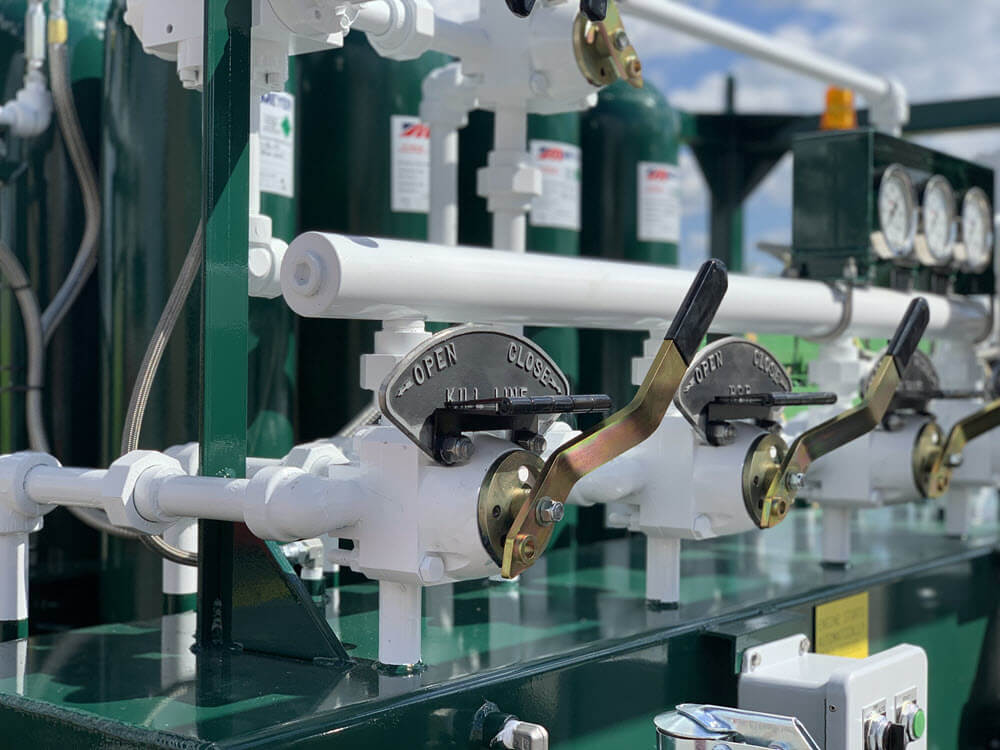
Corrosion Prevention for Wellhead Valves During Gulf Coast Humidity
High humidity and salt laden air across the Gulf Coast create challenging conditions for wellhead valves and pressure control equipment. Moisture intrusion accelerates corrosion, weakens sealing surfaces, and can compromise valve performance if left unaddressed. For oilfield operations in Texas coastal regions, implementing effective wellhead valve corrosion prevention practices is essential for maintaining safety, extending equipment service life, and avoiding unplanned downtime as activity levels increase in spring.
How Humidity and Coastal Conditions Accelerate Valve Corrosion
Wellhead valve corrosion prevention begins with understanding environmental exposure. Persistent humidity allows moisture to settle on exposed metal surfaces, while salt present in coastal air increases the rate of electrochemical reactions that lead to corrosion. Over time, this degrades valve bodies, fasteners, and sealing areas.
In Gulf Coast operations, frequent rainfall and temperature fluctuations intensify these effects. Condensation can form inside valve cavities, particularly during shutdown periods. Without routine inspection and protective measures, corrosion may remain undetected until valve operation is impaired or pressure integrity is compromised.
Regular monitoring helps identify early signs of corrosion before they develop into safety, reliability, or compliance concerns.
Inspection and Coating Best Practices for Corrosion Prevention

Consistent inspection is a core element of wellhead valve corrosion prevention. Maintenance teams should examine external surfaces for rust, pitting, or coating damage, paying close attention to flanges, valve stems, and bolting. Internal inspections conducted during scheduled maintenance intervals help identify corrosion inside valve cavities and pressure containing components.
Protective coatings play a critical role in humid operating environments. Applying corrosion resistant coatings creates a barrier between metal surfaces and moisture exposure. Proper surface preparation and correct coating application are essential to ensure long term effectiveness. Any damaged coating areas should be repaired promptly to prevent corrosion from spreading.
These practices support valve reliability and help maintain pressure control integrity during periods of increased operational demand.
Maintenance Planning to Reduce Corrosion Related Downtime
Effective corrosion prevention extends beyond inspections and coatings. Maintenance planning should account for environmental exposure, equipment duty cycles, and idle periods. Valves that remain out of service for extended durations are more susceptible to moisture intrusion and corrosion buildup.
Integrating Corrosion Control Into Spring Readiness Programs
Incorporating corrosion control tasks into spring readiness programs helps ensure wellhead valves are fully operational before activity levels increase. Cleaning, lubrication, and functional testing should follow inspection and coating work. Partnering with an experienced equipment and service provider helps ensure access to properly maintained valves, replacement components, and technical support when needed.
By prioritizing corrosion prevention, operators reduce the risk of valve failures and maintain safe, reliable operations throughout the humid Gulf Coast season.
Wellhead valve corrosion prevention plays a critical role in protecting pressure control equipment in coastal environments. Contact MEYER to request a quote, schedule maintenance support, or secure the pressure control equipment your operation needs to perform reliably under humid conditions.