

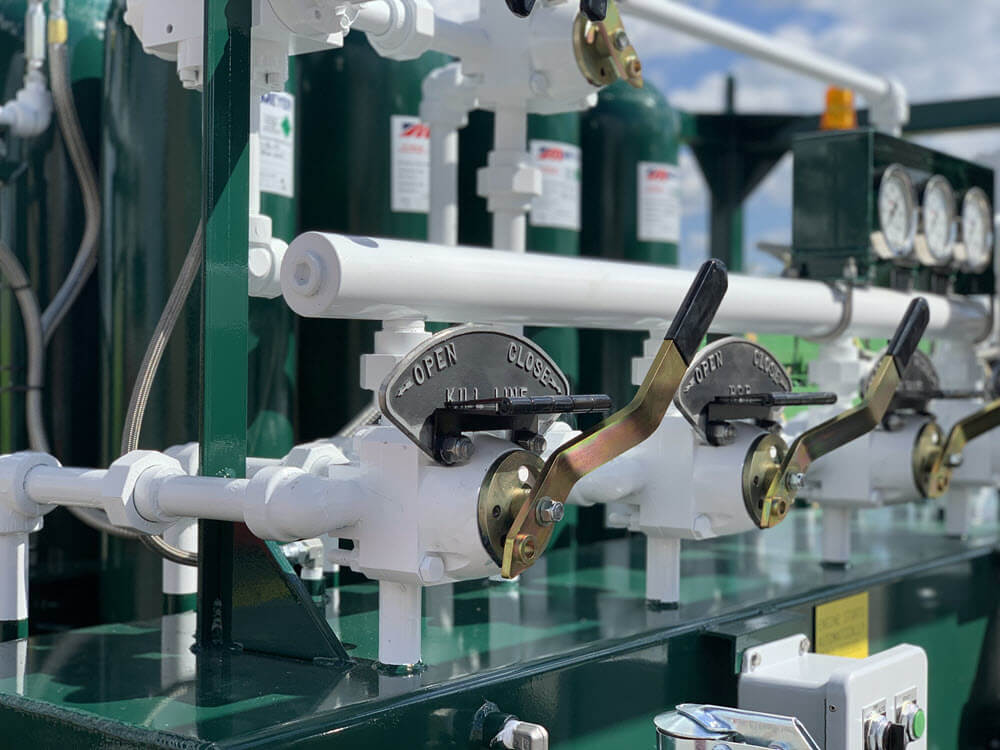
What Does BOP Stand For in Oilfield?

In the oil and gas industry, BOP stands for Blowout Preventer. It is a critical safety system used during drilling operations to control well pressure and prevent uncontrolled releases of oil, gas, or drilling fluids.
A BOP is often described as the last line of defense against blowouts, helping protect workers, equipment, and the environment in high-pressure drilling conditions. These systems are essential for maintaining well control and ensuring safe operations both onshore and offshore.
This guide explains what a BOP means in oilfield operations, how it works, where it is used, and why it plays such an important role in modern drilling environments.
What Does BOP Stand for?
In oilfield terminology, BOP stands for Blowout Preventer. It refers to a high-pressure safety device installed at the wellhead to control pressure and prevent blowouts during drilling operations.
The term is widely used across drilling crews, engineers, and operators, and is considered one of the most important concepts in well control and oilfield safety.
What Is a Blowout Preventer?
A blowout preventer is a mechanical and hydraulic system designed to seal, control, and monitor oil and gas wells. It is typically installed on top of the wellbore and can be activated in emergency situations when formation pressure becomes unstable.
BOP systems are designed to:
- Seal the wellbore
- Control pressure during drilling
- Prevent uncontrolled fluid release
- Protect personnel and equipment
- Reduce environmental risks
How BOP Systems Work
BOP systems operate using hydraulic pressure to activate sealing mechanisms such as rams or annular elements. When triggered, these components close around the drill pipe or seal the open wellbore.
The system is powered by a hydraulic control unit and supported by accumulator units that store pressurized fluid for rapid activation. This ensures the BOP can respond instantly in high-pressure situations.
BOP Applications in Oil and Gas
Blowout preventers are used across multiple stages of oil and gas operations:
- Drilling operations: maintaining well control during active drilling
- Well intervention: managing pressure during maintenance or repair
- Pipeline operations: controlling flow and pressure during connections
- Offshore drilling: ensuring safety in subsea environments
Their ability to control pressure makes them essential across both land-based and offshore drilling systems.
Key BOP Components
A complete BOP system consists of several components working together to ensure well control:
- Annular Preventer: seals around pipe or open hole
- Ram Preventers: seal the well using steel rams
- BOP Accumulator: stores hydraulic energy for emergency activation
- Control System: manages hydraulic and electronic functions
- Choke and Kill Lines: regulate pressure and fluid circulation
- Valves and Manifolds: control flow under high pressure
- Hydraulic Control Unit (HCU): powers the system
BOP vs Wellhead Systems
While both BOPs and wellhead systems are critical to drilling operations, they serve different purposes.
- BOP systems: provide temporary pressure control during drilling
- Wellhead systems: provide permanent structural support and pressure containment
In simple terms, the wellhead is a structural component, while the BOP is an active safety system used during drilling phases.
BOP Maintenance and Inspection
Regular inspection and maintenance are essential for keeping BOP systems operational and compliant.
Maintenance typically includes:
- Visual inspections for damage or leaks
- Pressure testing to verify sealing integrity
- Functional testing of rams and annular elements
- Hydraulic system evaluation
- Replacement of worn seals and components
Preventive maintenance reduces the risk of failure and ensures the system performs reliably under pressure.
BOP Cost and Pricing Factors
The cost of a BOP system can vary depending on several factors:
- Pressure rating and size
- Type of BOP (annular or ram)
- Control system complexity
- Operational environment (onshore vs offshore)
- Certification and compliance requirements
- Maintenance and service needs
While BOP systems can represent a significant investment, they are essential for preventing costly failures and ensuring safe operations.

MEYER BOP Solutions
MEYER provides reliable BOP oilfield equipment designed to meet the demands of modern drilling operations. Our solutions focus on safety, performance, and long-term reliability.
With extensive experience in oilfield systems, MEYER offers:
- Custom-engineered BOP solutions
- Rigorous pressure and performance testing
- Aftermarket control systems
- Maintenance and inspection support
Our team supports operators with equipment designed to perform in high-pressure environments.
Frequently Asked Questions
What does BOP stand for in oilfield?
BOP stands for Blowout Preventer, a safety device used to control well pressure and prevent blowouts during drilling.
What is the purpose of a BOP?
The purpose of a BOP is to seal the wellbore and control pressure in emergency situations, preventing uncontrolled fluid release.
Where are BOPs used?
BOPs are used in drilling operations, well intervention, offshore drilling, and pipeline pressure control applications.
How much does a BOP cost?
BOP costs vary widely depending on size, pressure rating, and configuration, ranging from moderate to high capital investment equipment.